Harnessing Power: Essential Performance Modifications for Bespoke Engine Configurations
Personalized engine constructions demand a calculated blend of performance upgrades to truly unleash power. Essential upgrades can greatly enhance power and productivity. From optimizing air-fuel mixtures to selecting the right camshaft, all selections influences general efficiency. Understanding these components is fundamental. As enthusiasts examine these upgrades, the question remains: what modifications will produce the greatest impact? The answers lie in a thorough analysis of particular components and their potential.
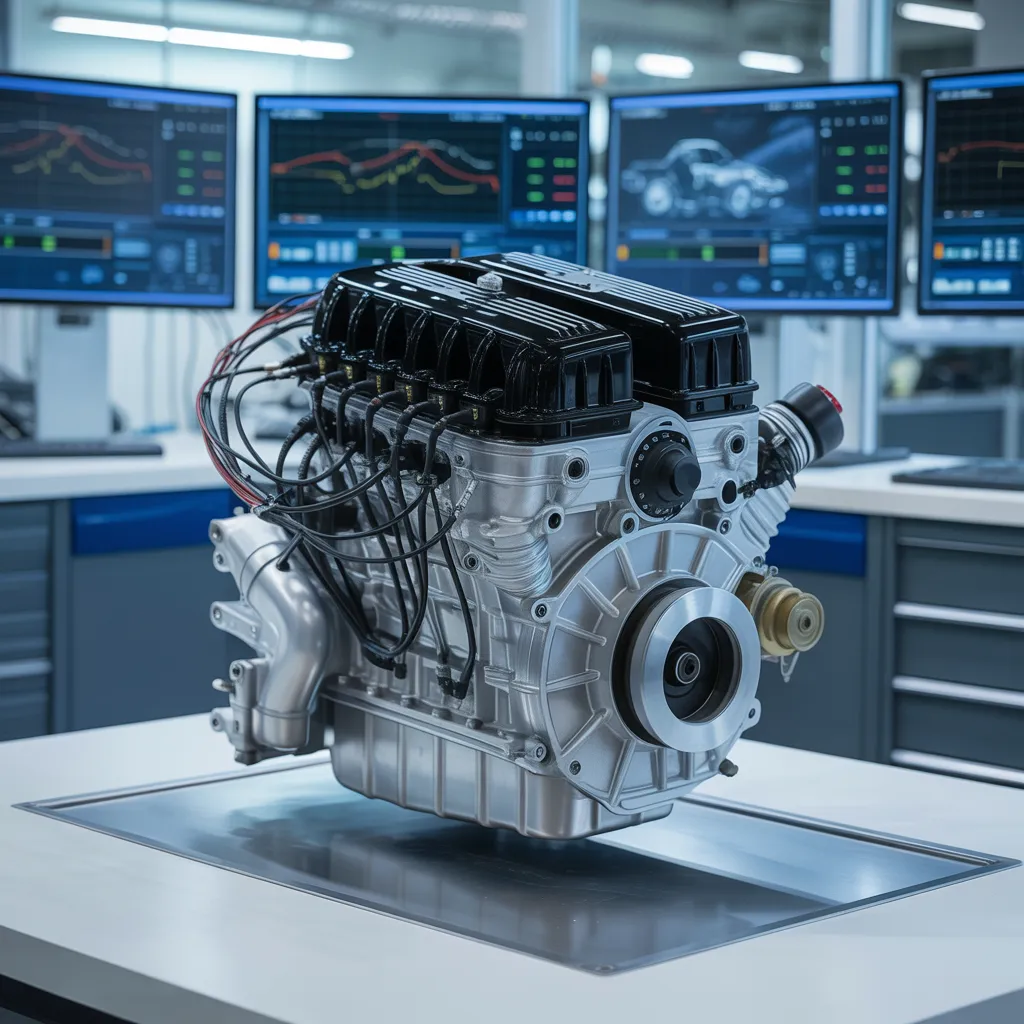
How to Understand Engine Performance Fundamentals
Understanding core engine performance principles is crucial for anyone looking to upgrade a custom engine build. Key components include air and fuel mixture, combustion efficiency, and exhaust circulation, all of which significantly affect power output. The air-to-fuel ratio must be optimized to guarantee effective combustion, as an excess or deficiency of fuel can hinder performance. Additionally, proper ignition timing is essential for achieving maximum power; poorly calibrated timing can cause knocking or reduced efficiency.
Another important aspect is the displacement of the engine, which has a direct impact on its overall power capacity. High-displacement engines generally generate more power, but modifications and tuning can improve output in more compact engines as well. Finally, recognizing the importance of the engine's cooling and lubrication mechanisms is essential for maintaining peak performance and longevity. Mastering these fundamentals lays the groundwork for effective upgrades, resulting in a powerful and reliable custom engine build.
Leading Performance Improvements for Turbochargers
When looking into turbocharger upgrades, enthusiasts often prioritize enhancements that maximize airflow and boost efficiency. One standout improvement includes an oversized compressor wheel, which expands air intake capacity and enhances boost response. Additionally, installing a high-flow intercooler helps maintain ideal intake temperatures, improving performance while lowering the likelihood of engine knock.
Another essential modification is the installation of a high-quality wastegate. This device provides better control of boost levels, leading to more consistent power output. Furthermore, implementing a high-performance exhaust manifold can optimize exhaust flow, decreasing turbo lag and improving overall turbocharger effectiveness.
Additionally, installing a turbo blanket can work to retain heat within the turbocharger system, resulting in improved spool response and improved performance. By focusing on these upgrades, engine builders can significantly improve their turbocharger's performance potential, producing a highly responsive and powerful performance build.
Enhance Your Fuel System for Optimal Efficiency
Improving the fuel system is vital for attaining maximum efficiency in custom-built engines. A high-performance fuel pump provides a consistent and adequate supply of fuel, which is crucial for optimal engine output. Furthermore, high-flow fuel injectors can supply greater fuel volumes, supporting increased air intake and preserving the perfect air-fuel ratio. Adding a fuel pressure regulator improves system stability, enabling precise control over fuel delivery across different operating conditions.
Moreover, upgrading to high-flow fuel filters eliminates restrictions, ensuring clean fuel reaches the engine. This increases efficiency and contributes to a longer engine life. Implementing a return-based fuel delivery system can further improve performance by sustaining stable pressure across varying operating conditions. With the precise selection and integration of these components, engine builders can maximize the potential of their custom builds, leading to enhanced power output and better overall efficiency.
Enhance Airflow With Exhaust Upgrades
Enhancing the exhaust system is essential for boosting engine performance by enhancing airflow. Superior exhaust systems and header upgrades play important roles in lowering back pressure and boosting exhaust velocity. These upgrades not only improve power output but also produce a more aggressive engine sound.
Premium Exhaust Systems
High-performance exhaust systems are essential for maximizing engine performance and power delivery in custom vehicle builds. Such systems decrease back pressure, enabling better exhaust gas flow, which boosts overall engine output. Through the use of lightweight components and wider diameter piping, high-output exhausts decrease weight while supporting optimal airflow. Furthermore, they commonly include mandrel bends, which reduce restrictions and turbulence throughout the system. This refined design not only leads to increased horsepower and torque but also produces a more assertive sound that many enthusiasts prefer. Moreover, high-performance exhaust systems can improve engine cooling by dissipating heat more effectively, improving reliability under high-stress conditions. Ultimately, these enhancements are vital for anyone aiming to unlock their engine's full potential.
Key Benefits of Header Upgrades
An effective way to enhance engine performance is through performance header installations, which significantly improve airflow in conjunction with exhaust system upgrades. By upgrading factory headers to high-performance options, the engine can release exhaust gases more effectively. This lowering of back pressure allows for improved engine breathing, resulting in greater horsepower and torque output.
Moreover, performance headers incorporate larger diameter tubing and smoother bends, which additionally maximizes exhaust flow. The materials selected, such as stainless steel, contribute to heat resistance and durability. In the end, header upgrades not only enhance engine efficiency but also improve the engine's acoustic output, providing a sportier exhaust sound. This set of improvements makes header upgrades a key element for any dedicated engine build.
Optimize Your Build With Performance Camshafts
Selecting the proper camshaft is critical for optimizing engine efficiency. Recognizing the aspects of lift and duration can significantly determine how an engine performs and responds. By fine-tuning these parameters, engine builders can increase horsepower and torque to meet unique driving goals.
Selecting The Correct Camshaft
In terms of optimizing the performance of an engine, selecting the ideal camshaft is essential for reaching specific power characteristics and improving overall effectiveness. A properly selected camshaft can considerably impact engine behavior, affecting factors such as engine responsiveness, power delivery, and maximum power output. Builders must evaluate their performance goals, whether targeting improved bottom-end power or top-end power, as distinct cam profiles cater to varying needs. Alignment with current engine parts, such as the intake and exhaust systems, is also crucial. Moreover, knowing the engine's operating range helps in selecting a camshaft that harmonizes with the planned application, be it street driving or track racing. At the end of the day, the right camshaft can be a game-changer in a custom engine build.
Comprehending Lift Along With Duration
Grasping lift and duration is critical for improving camshaft performance in specialized engine configurations. Lift is defined as the extent the valve opens on the intake or exhaust side, having a direct impact on the engine's air movement. A greater lift facilitates more substantial air and fuel intake, improving power output. Duration, meanwhile, tracks the length of time the valve is held open during the combustion cycle. Greater duration can enhance performance at elevated RPMs but may sacrifice low-end torque. Balancing lift and duration is critical; excessive lift can result in valve float, while inadequate duration can limit engine breathing. Adjusting these specifications based on specific performance goals guarantees that the engine functions efficiently and go to article effectively, enhancing its overall potential.
What to Look for When Selecting the Best Engine Management System
How does one go about selecting the most ideal engine management system for a bespoke engine setup? Choosing the right EMS (EMS) involves several critical considerations. To begin, the intended application of the engine needs to be considered; whether for street use, racing, or off-road conditions influences the decision. Alignment with installed hardware, such as detection and actuation components, is critical to secure seamless integration.
Subsequently, examining the performance tuning features is important. A user-friendly dashboard and robust data logging capabilities can greatly enhance overall performance optimization. Additionally, the presence of community support and resources can help facilitate optimization and troubleshooting.
Financial limitations also factor in; higher-end systems offer advanced features but may exceed financial limitations. Additionally, reviewing user feedback and expert recommendations can provide insights into reliability and performance. By carefully considering these elements, one can determine the ideal EMS for their custom engine project, optimizing both performance and efficiency.
Frequently Asked Questions
What Tools Are Essential for Custom Engine Builds?
Fundamental equipment for building custom engines consist of a precision torque wrench, engine hoist, high-precision measuring equipment, socket tool sets, screwdrivers, and a thorough toolkit. This collection of tools ensure precision, effectiveness, and security during the construction phase.
What Is the Best Way to Determine My Engine's Horsepower Potential?
To calculate an engine's power output potential, one must examine compression ratios, displacement, fuel type, and airflow. Furthermore, dynamometer analysis can offer detailed measurements and uncover performance constraints, guiding future modifications and upgrades effectively.
What Are the Signs of Engine Wear During Upgrades?
Symptoms of engine deterioration when performing upgrades include strange sounds, decreased performance, higher oil consumption, apparent leaks, and abnormal smoke. Keeping track of these signs can assist in identifying underlying problems before they escalate and impact the engine's overall performance.
Am I Able to Perform Upgrades Without Professional Aid?
Upgrades can be carried out without expert assistance, provided the individual possesses adequate knowledge, tools, and experience. However, caution is advised, as faulty installations could cause costly errors or harm to the engine.
What Are the Average Costs Associated With a Custom Engine Build?
The typical cost of a custom-built engine generally falls between $3,000 and $10,000, based on labor, specifications, and the quality of parts. Car enthusiasts should plan their budget carefully to achieve desired performance outcomes and reliability.
Comments on “Ford Truck Coyote Engine: High-Torque Powertrain Solution”